
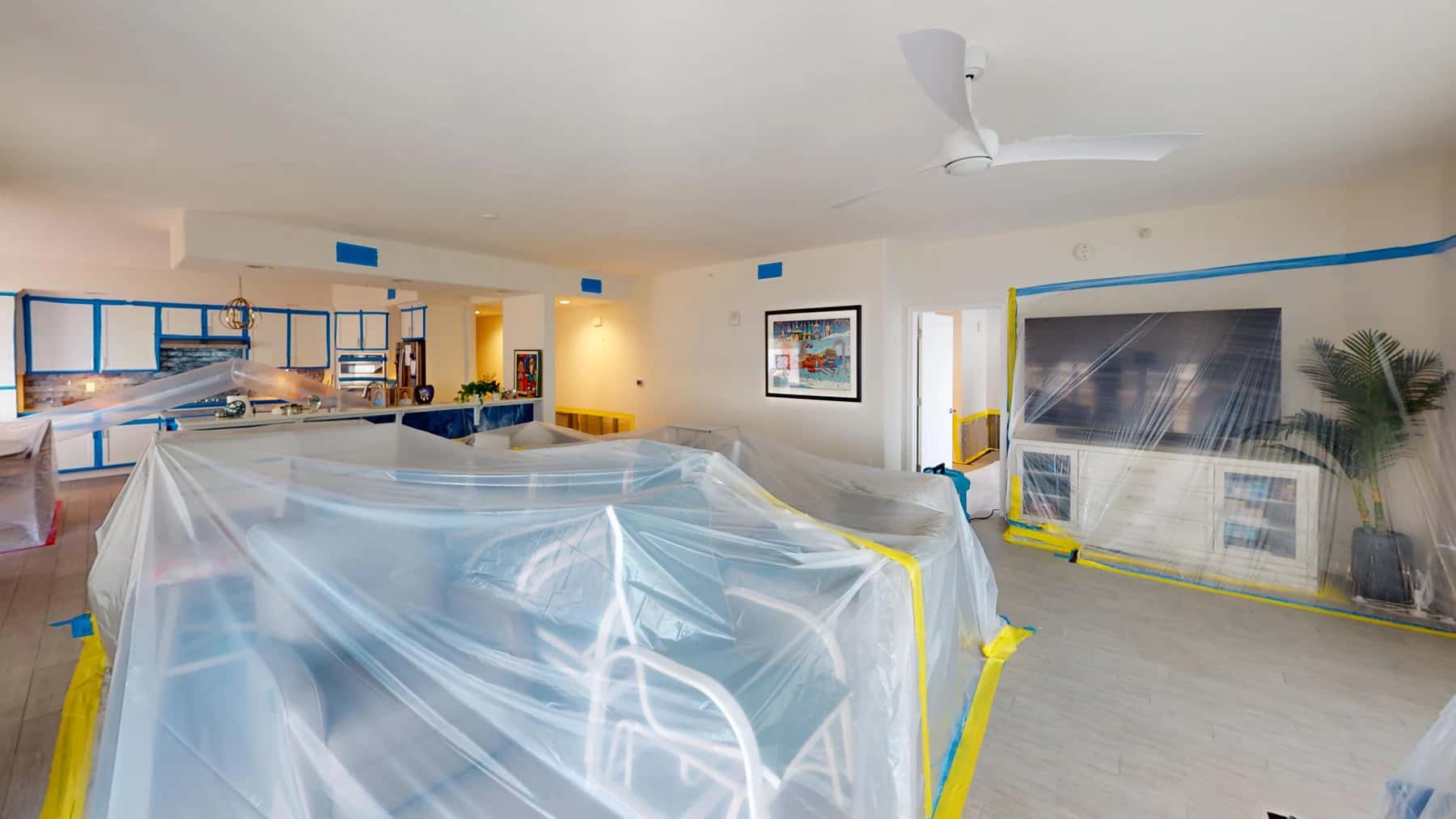
Mold remediation in Orlando and surrounding areas
Visible mold or recurring moisture can point to a problem that needs closer inspection. Rose reviews the affected areas and explains the proposed remediation scope before work begins.
Before work begins
Do not disturb a suspected mold area unnecessarily.
Limit traffic through the area and address active moisture if it can be done safely. Painting over growth or using a household fan does not correct the moisture source and may spread material beyond the original area.
When to call
Call 407-308-5796 if you have visible mold or a moisture problem you need handled as a restoration job.
What Rose does
Identify moisture, plan containment for the affected area, remove contaminated material as authorized, and document drying and completed work.
On site
Rose separates the work area as needed, removes affected materials, cleans remaining surfaces, and checks moisture during drying.
Your project records
Photos and work notes show the affected areas, materials removed and drying work so you can review what was completed.
Common situations
What this service may address
- Growth found after a leak, roof intrusion, or plumbing failure
- Persistent musty odor or staining near damp materials
- Moisture behind cabinets, walls, flooring, or stored contents
- A written assessment or protocol supplied by an independent professional
Your cleanup plan
How Rose approaches the work
Step 1
Find the moisture problem
Document the affected area, moisture conditions, visible materials, and any outside assessment or protocol.
Step 2
Protect unaffected areas
Use work-area controls, containment, and HEPA-filtered air management when the project conditions call for them.
Step 3
Remove and clean
Remove non-salvageable affected material and clean remaining surfaces according to the authorized remediation scope.
Step 4
Dry and check the work
Correct or refer the moisture source, dry the work area, and record the work completed. Independent verification is separate when required.
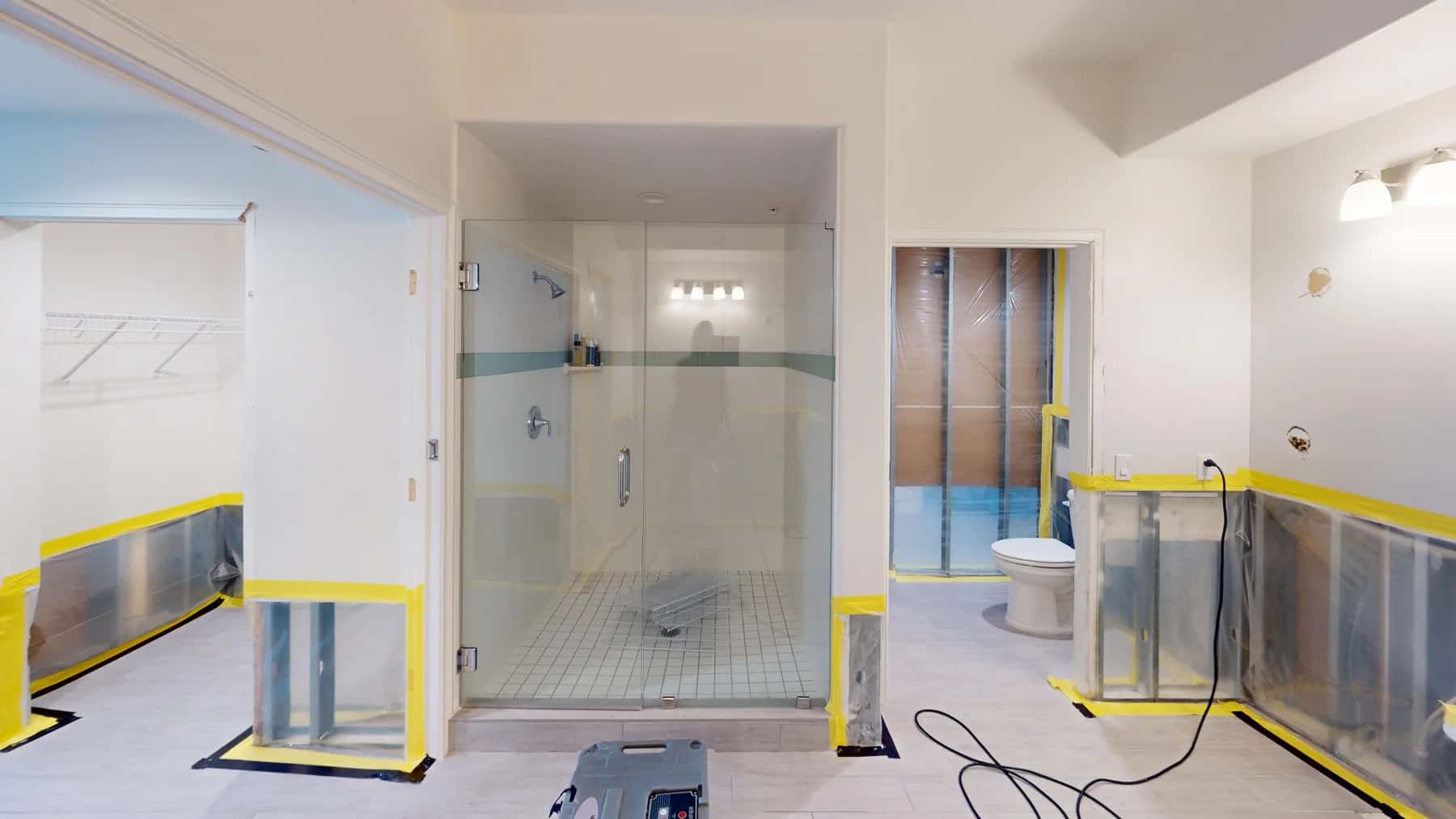
What happens on the first visit
- 1Check access and immediate safety concerns
- 2Photograph the damage before conditions change
- 3Check the source and affected areas
- 4Explain the proposed work and obtain authorization
- 5Begin the agreed protection, cleanup, or drying
What affects the work needed
Florida regulates mold assessment and remediation above applicable thresholds. The exact project path depends on the affected area and whether an independent assessor or post-remediation verification is required. Rose does not diagnose health conditions or represent its own work as independent clearance.
Service limits
Rose does not claim mold clearance, indoor-air results, or health outcomes.
Service area
Orlando and surrounding areas.
See all areas we serveCredentials you can check
Licensed mold-remediation experience.
Shawn’s Florida mold-remediator license is available to verify directly with the state.
Shawn Shields: Florida Mold Remediator
Florida DBPR · Expires July 31, 2028 · MRSR4970
Verify license with the issuer
Service questions
What property owners commonly ask
Is mold remediation the same as a mold inspection?
No. Assessment defines conditions and may establish a protocol; remediation performs the authorized corrective work. Florida rules may require the roles to remain independent.
Can mold simply be sprayed or painted over?
Surface treatment alone does not resolve the moisture source or remove affected porous material. The correct method depends on the material, area, and project scope.
Does Rose promise clearance?
No. When verification or clearance is part of a project, it must be performed and reported by the appropriate independent professional.