
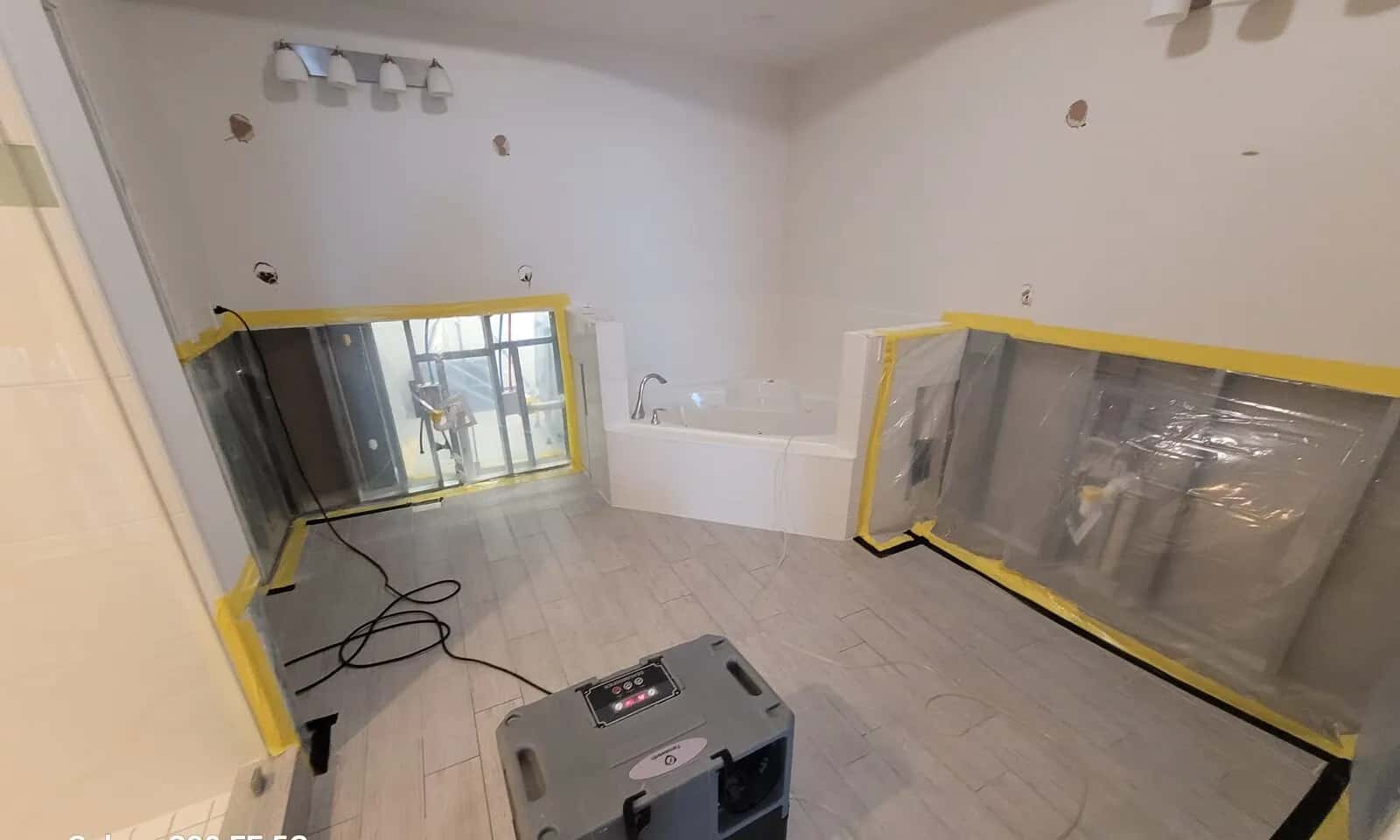
Water damage restoration in Orlando and surrounding areas
Water from a leak, overflow, or storm can spread beyond the area you can see. Rose checks the affected areas, removes standing water, and plans drying around the conditions found on site.
Before work begins
Active leak or standing water? Start with safety.
Shut off the source only if it is safe to do so. Avoid wet areas near electrical hazards. If the water may contain sewage or other contaminants, keep people and pets out and tell Rose before anyone enters the area.
When to call
If a leak is active or water damage is spreading, call 407-308-5796 to discuss the next step.
What Rose does
Water extraction removes standing water. Structural drying addresses moisture left in affected materials. Rose records conditions and explains the proposed work before it begins.
On site
Rose removes accessible standing water, sets up drying equipment, and checks moisture levels as the affected materials dry.
Your project records
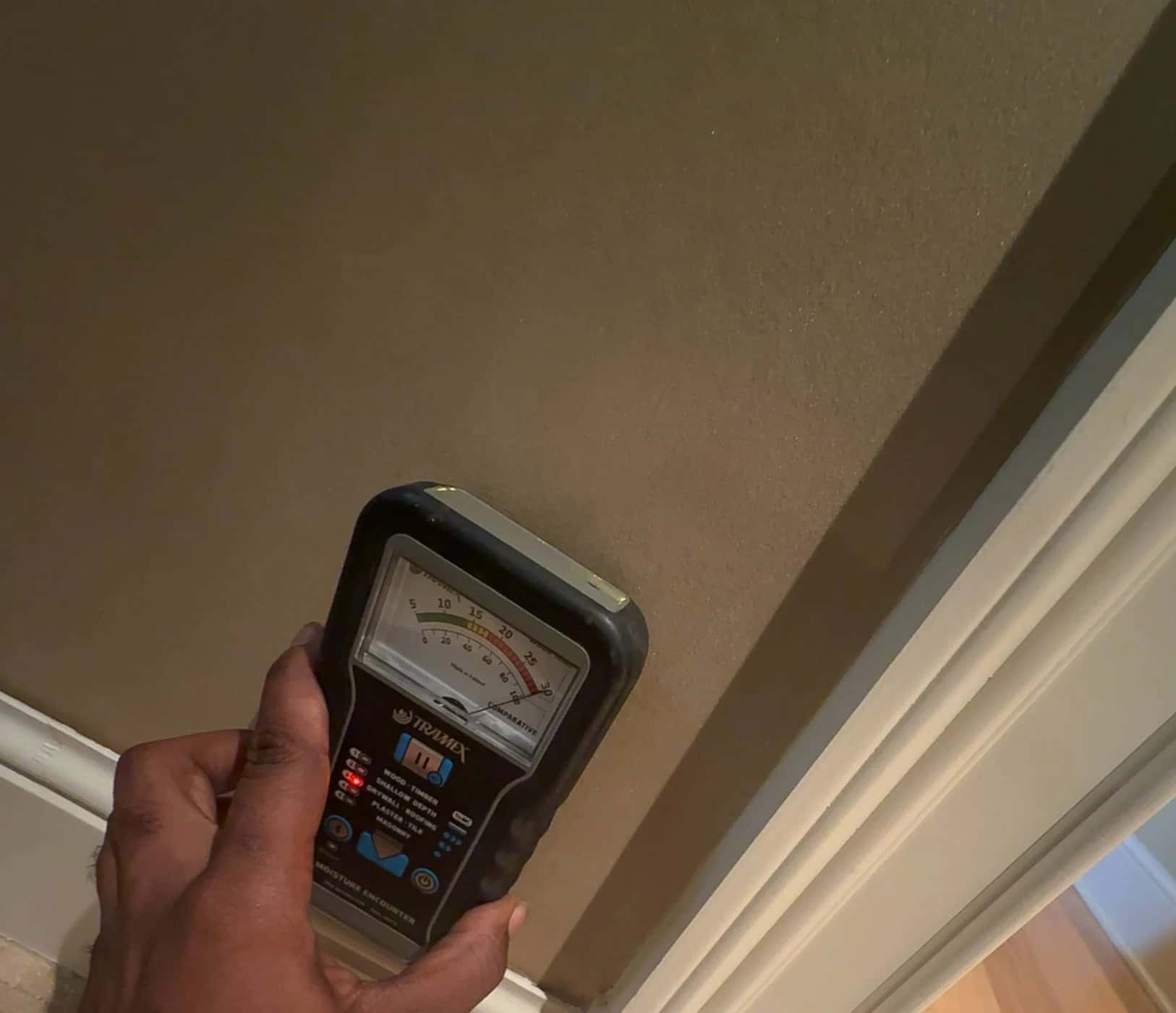
Photos, moisture readings and equipment notes help you understand the starting conditions, drying progress and work agreed with you.
Common situations
What this service may address
- Supply-line, plumbing, appliance, or water-heater failures
- Roof, window, or exterior water intrusion
- Standing water and moisture that traveled behind finishes
- Water left after firefighting or another emergency response
Your cleanup plan
How Rose approaches the work
Step 1
Find the path
Inspect the visible loss, identify the likely source, and map moisture beyond the obvious wet area.
Step 2
Remove water
Extract accessible standing water and protect or relocate contents when that work is included in the authorized scope.
Step 3
Build the drying plan
Use air movement and dehumidification appropriate to the materials, water conditions, and affected area.
Step 4
Check drying progress
Record equipment, moisture readings, photographs, and material decisions as the job progresses.
What happens on the first visit
- 1Check access and immediate safety concerns
- 2Photograph the damage before conditions change
- 3Check the source and affected areas
- 4Explain the proposed work and obtain authorization
- 5Begin the agreed protection, cleanup, or drying
What affects the work needed
The drying plan depends on the source, how long materials were wet, the materials involved, and whether contamination is suspected. Controlled removal is recommended only when affected material cannot be dried or safely cleaned within the authorized scope.
Insurance and coverage
Rose documents the loss and the work performed. Coverage decisions belong to the carrier, and we do not promise that a carrier will pay an invoice.
Service area
Orlando and surrounding areas.
See all areas we serveService questions
What property owners commonly ask
How far can water travel from the visible leak?
Water can move under flooring, behind baseboards, and into wall or cabinet cavities. Moisture mapping helps define the affected area before removal decisions are made.
Should I run household fans?
Not when the water source is unknown or contamination is possible. Moving air can spread contaminants. Rose can confirm the appropriate first step after the water condition is discussed.
What records are kept?
The file may include arrival photographs, source notes, moisture readings, equipment placement, affected materials, authorization, and progress documentation.